
Mission
Expand what we can responsibly make possible.
There’s forecasting, and there’s foresight.
Forecasting anticipates the conditions ahead, and machines now do it about as well as the best people.
But every commitment sits inside a system larger than the decision itself: other participants, agreements, constraints, and the conditions they meet. The outcome turns on how they move together.
Today those systems are modeled on spreadsheets, one scenario at a time.
Foresight runs the whole system forward, then searches for a better arrangement: a different allocation, new terms, a sequence that makes a project possible.
Models like these took specialists months to build. AI is making them fast to build and practical to keep current.
01Dashboards
Show what happened.
You read them.
02Forecasts
Estimate what is likely.
You interpret them.
03Foresight Machines
Simulate what could happen. Discover what could work.
You set the goal and decide.
Where we start
Enough money, in the right place, at the right time.
Digital dollars move at any hour, through exchanges, wallets and payment networks. The cash behind them sits in funds and banks that keep their own hours. A Foresight Machine models that whole network, and finds where money should sit before it’s needed.
Where should the cash behind a digital dollar sit, and when?
Every account, route and partner, and the hours each one keeps.
A year and a half of real days, replayed in minutes, and the year ahead.
The placement that keeps every promise with the least cash idle.
99.7% → 100%Promises kept−$1.7BCash idle
Hold cash where redemptions arrive, by the hour of the week, and keep the rest in the fund.
Requires · Reserve committee approval · One new bank
Changes if · A partner moves its flows
Backing ✓Cash floor ✓Bank limits ✓Redemption times ✓
Domains
Wherever capital is committed.
Every domain gets the same three questions: what happens if conditions change, what changes if we act differently, and what arrangement could make this work.
-
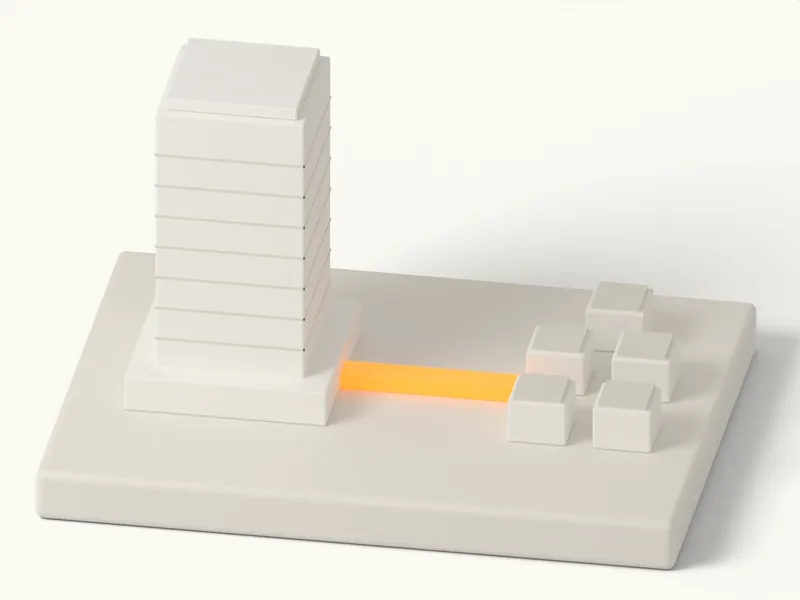
Reserves & liquidity
Issuers, networks and funds that owe cash on demand
- 01What if partner balances grow 40% next year?
- 02Which bank should carry our weekend redemptions?
- 03What would let us redeem instantly, any hour?
-
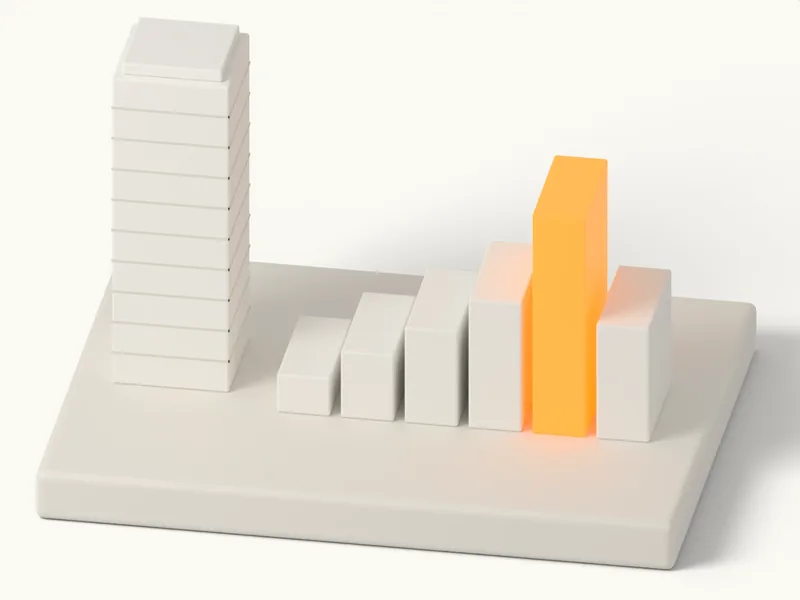
Credit & collateral
Lenders and managers whose collateral moves with rates and prices
- 01What if rates stay higher for two more years?
- 02Which collateral should we post, and where?
- 03What terms let us lend where we decline today?
-
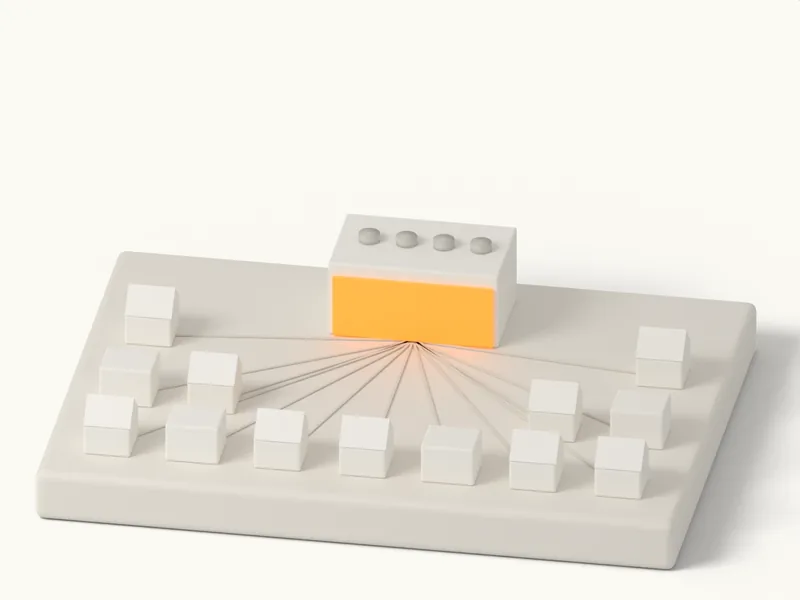
Risk & insurance
Insurers writing new risks with little history: cyber, AI, digital assets, climate
- 01What would one provider’s outage cost across our book?
- 02Where should the trigger sit, and how should cover be layered?
- 03Could we cover a risk no one will write today?
-
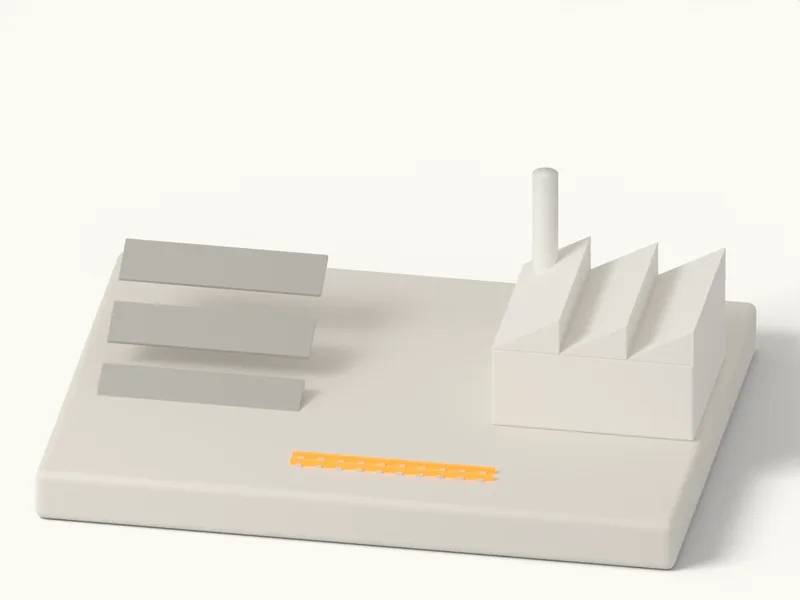
Projects & supply chains
Developers and manufacturers whose plans depend on delivery
- 01What if equipment arrives six months late?
- 02More inventory, or a second supplier?
- 03What makes this financeable at today’s rates?
Method
A model to explore with. A record to improve from.

Evidence
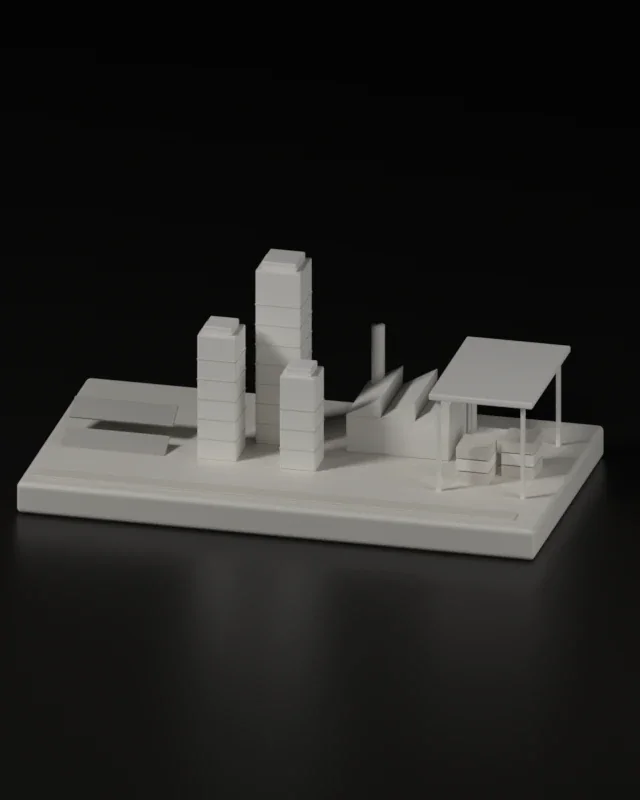
Model
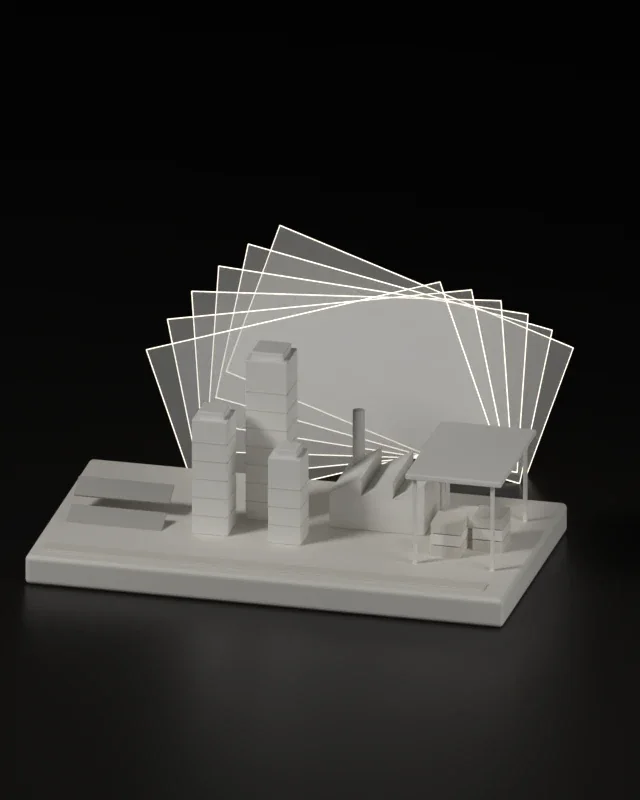
Simulate
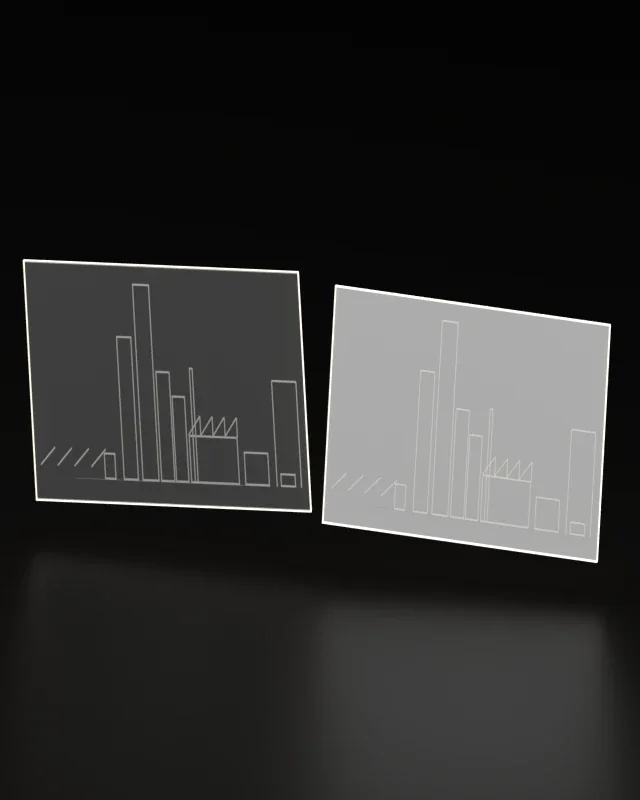
Compare

Decide
Trust
Models earn trust against reality.
Every recommendation shows its sources, its assumptions, and how confident the model is.
01
Built from evidence.
Every rule traces to a record, a contract or an observation.
02
Tested against alternatives.
Every recommendation is compared with current practice, under the same rules.
03
Kept current.
The model changes as the institution does, and every version is kept.
04
Corrected by outcomes.
Every expectation is recorded before the fact, and every miss improves the model.
Manifesto
The future should be engineered with foresight.
Humanity has built extraordinary systems for recording the past and managing the present.
We are not building an oracle. We are building machinery for better judgment.